

Brochures
-
Leading tray technologypdfLanguages:
-
Leading tray technologypdfLanguages:
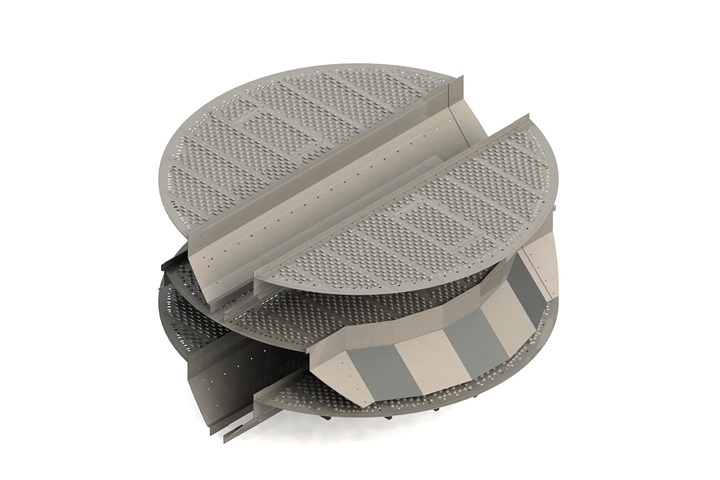
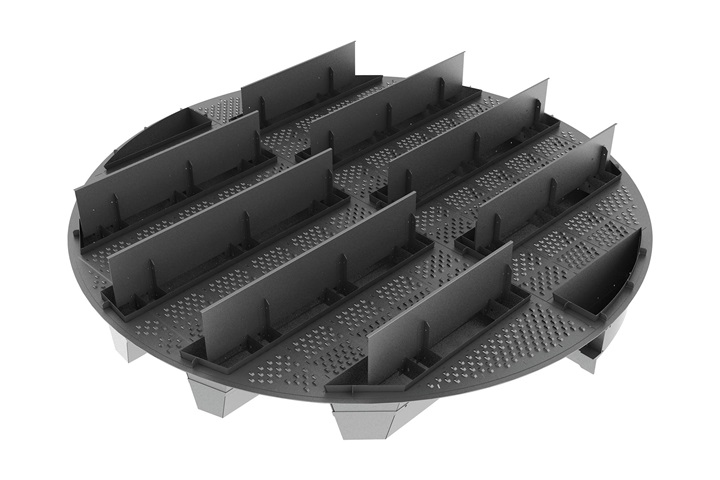
Designed for any applications from upstream to downstream refinery, petrochemicals, natural gas, syngas, Carbon Capture and Storage (CCS) and more. Sulzer's Plus tray technology delivers proven performance across 50+ offering procurement engineers the product performance they need to specify with confidence.
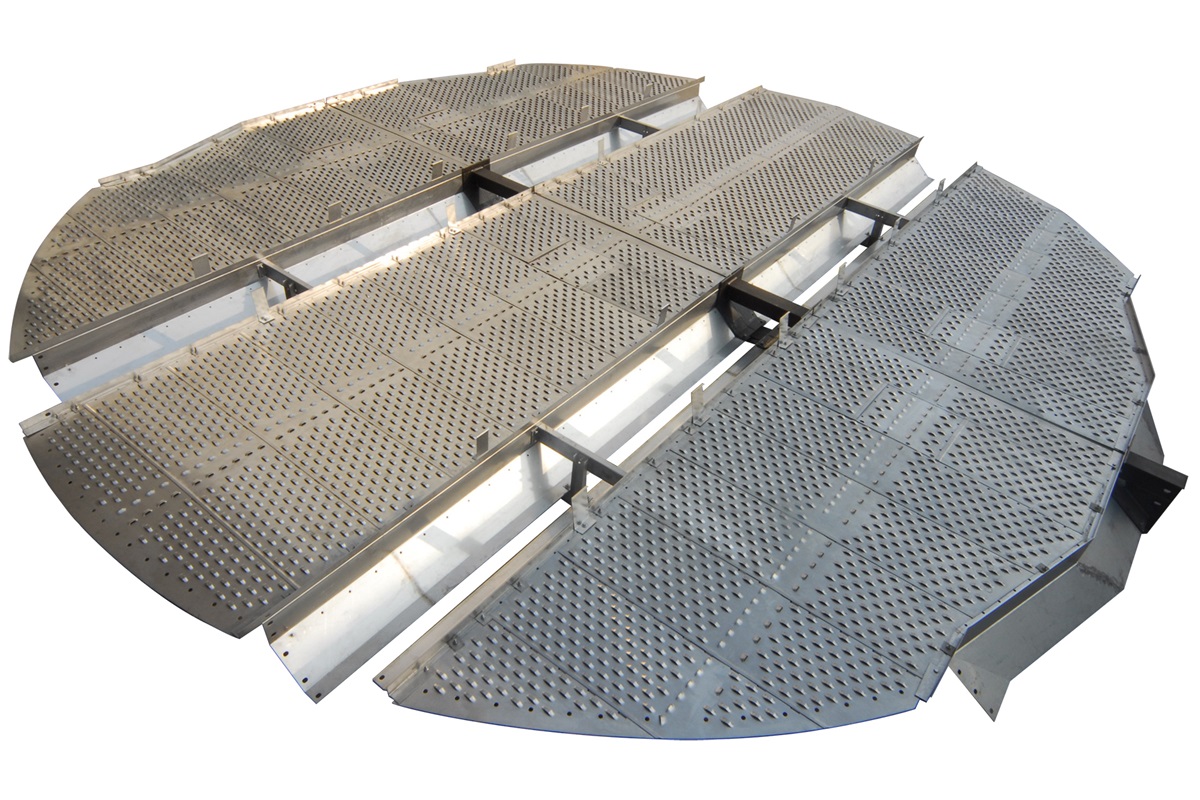
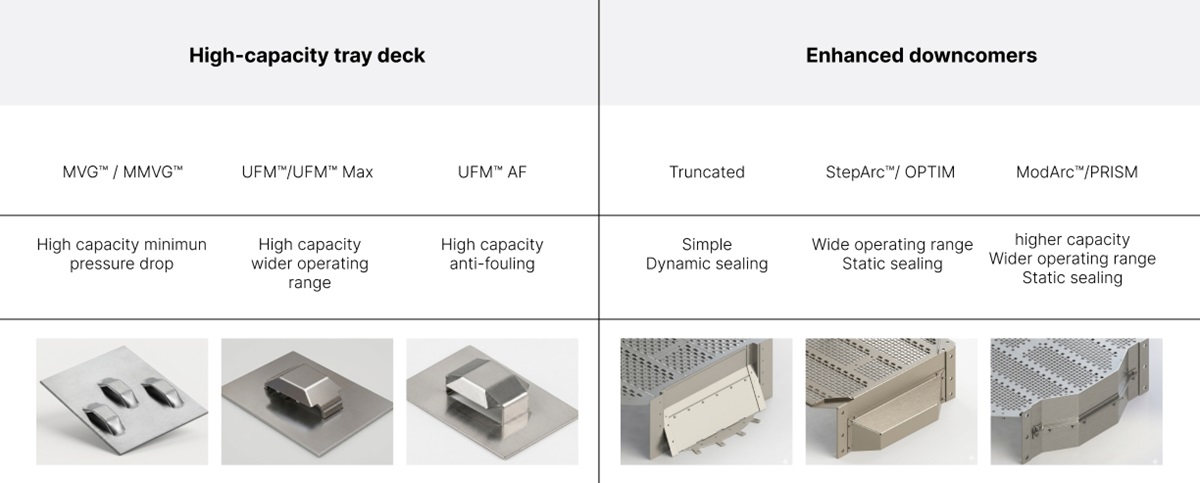
Key innovation: Proprietary Truncated, StepArc™, ModArc™ and Prism chordal downcomer geometry combined with patented valve designs — delivering measurable capacity and efficiency gains over conventional sieve and valve trays.
|
Features / Specifications |
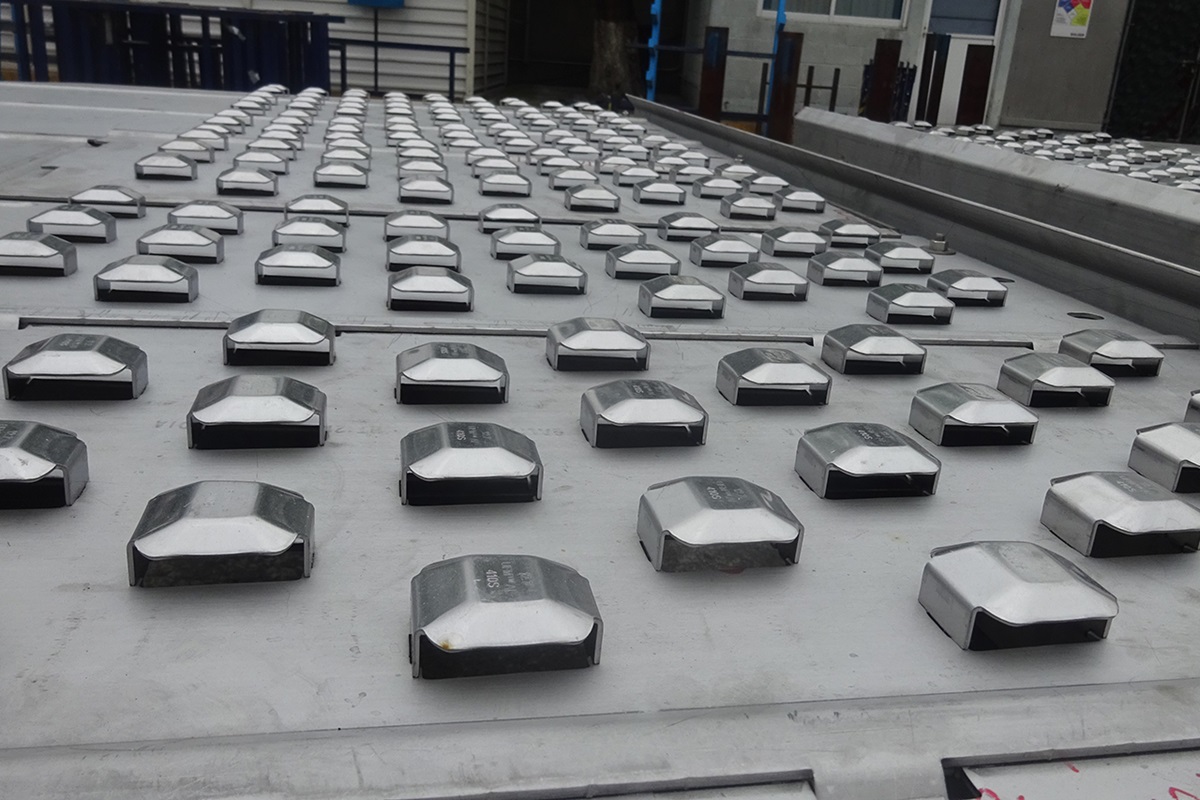
VGPlus™ fixed valve trays |
UFMPlus™ float valve trays |
|
Valve type |
MVG™ / MMVG™ fixed valves | Patented UFM™ / UFM™ Max float valves |
|
Design advantage |
Low pressure drop; no moving parts; extruded valves for maximum raw material usage | High turndown; maintains efficiency across wide vapor load range |
|
Turndown ratios |
Standard (3:1 typical) |
Up to 10:1 (independently validated) |
|
Best suited for |
Vacuum distillation, superfractionators, energy-sensitive columns |
Variable feed/throughput — gas processing columns |
|
Materials |
Stainless steel (example 410S, 316L, 316Ti, 304, 304L, etc.); carbon steel; special alloys (example of deliveries: Monel, Hastelloy, Duplex, Titanium, Zirconium, Inconel, Incoloy, 904L, AL6XN, etc.) |
Stainless steel (example 410S, 316L, 316Ti, 304, 304L, etc.); carbon steel; special alloys (example of deliveries: Monel, Hastelloy, Duplex, Titanium, Zirconium, Inconel, Incoloy, 904L, AL6XN, etc.) |
1. Fixed valve design (VGPlus™)
VGPlus™ trays use proprietary MVG™ and MMVG™ fixed valves extruded from the tray deck. Unlike float valves, fixed valves have no moving parts eliminating wear and fouling risk while delivering consistent mass transfer efficiency and low pressure drop. Push valves control vapor distribution across the active tray area, minimize hydraulic gradient and optimize vapor-liquid contact.
2. Float valve design (UFMPlus™)
UFMPlus™ trays use Sulzer's patented UFM™ and UFM™ Max float valves. The distinctive "Umbrella" shape reduces vertical jetting momentum, maximizes contact area of vapor and liquid, promotes uniform mixing and minimizes entrainment. Variable valve opening allows stable, high-efficiency mass transfer across a turndown ratio of up to 10:1 essential for gas processing units operating from SOR to EOR.
3. Enhanced chordal downcomer
Both VGPlus™ and UFMPlus™ incorporate Sulzer's enhanced chordal downcomer technology including StepArc™, ModArc™, Truncated and Prism downcomer geometry. The downcomer arc profile increases available vapor-liquid contact area at the tray floor while maximizing liquid handling capacity, reducing the risk of downcomer backup and flooding at high liquid loads.
+30% column capacity
FRI-validated capacity increase vs. conventional sieve and valve trays enabling higher throughput from the same vessel or a smaller column diameter for grassroots projects.
Lower energy consumption
Higher efficiency and up to 20% lower pressure drop reduces column reboiler duty and operational energy costs directly improving OPEX for energy-intensive distillation services.
Wide operating range (UFMPlus™)
Up to 10:1 turndown ratios allows gas processing columns to maintain high efficiency across the full range of operating conditions from start to end of field run.
FRI-validated performance
Independent performance data from FRI provides procurement engineers with confidence in capacity, separation efficiency, and pressure drop across defined operating conditions.
Drop-In revamp compatible
Engineered for drop-in column revamp installation Plus trays fit existing tower shells without vessel modifications, minimizing turnaround time and revamp project cost.
High reliability (VGPlus™)
No moving parts in VGPlus™ fixed valve design reducing maintenance requirements and extending run length in fouling and vacuum distillation applications.

Sulzer Plus trays are engineered for retrofit installation in existing distillation towers. Because the enhanced chordal downcomer and patented valve deck geometry are designed to fit within standard tray spacing and chord dimensions, Plus trays can replace conventional sieve trays, bubble-cap trays, or standard valve trays during planned turnarounds — without structural modifications or welding to the vessel shell.
A typical Plus tray revamp delivers immediate capacity improvement (up to +30%) with no requirement for column tray replacement at every level — partial revamp configurations are available for cost-sensitive projects.
Sulzer's Specialists support the full revamp scope: process specialist conduct process simulation, hydraulic column modelling and tray selection to formulate a perfect revamp strategies meeting customer's requirements, mechanical specialist conduct detail mechanical evaluation with computerized fluid dynamic (CFD) analysis and finite element analysis (FEA) to visualize and assess the revamp on the hydrodynamic in the tower, revamps and retrofits services specialists offer installation supervision and post-revamp performance validation to ensure smooth project execution. Learn more from our Total Tower Care services.
Need expert engineering support?
Our engineers are available to help you evaluate plus tray performance for your projects.