Polylactic acid production technology
Licensed processes for industrial bioplastics
What is PLA production technology?
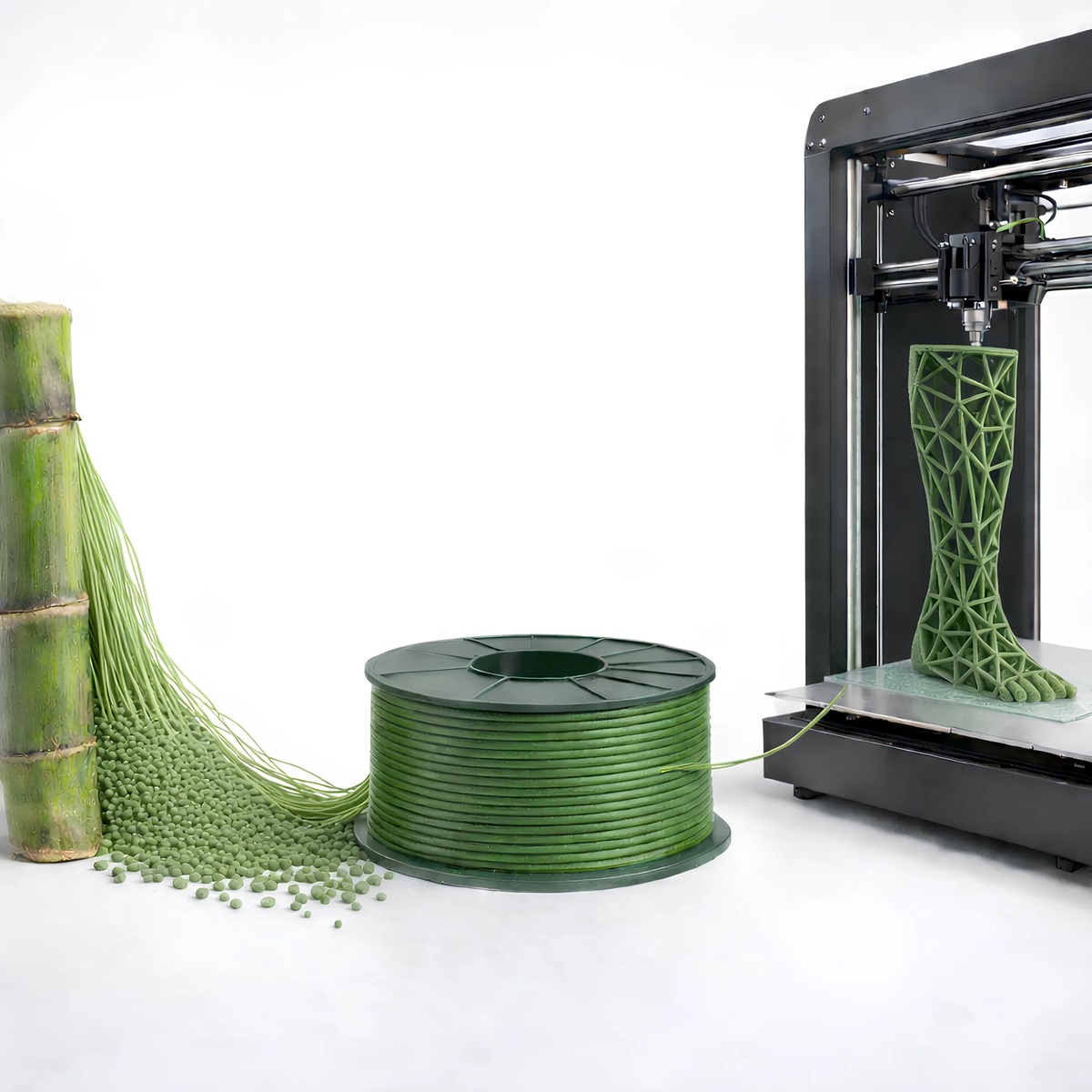
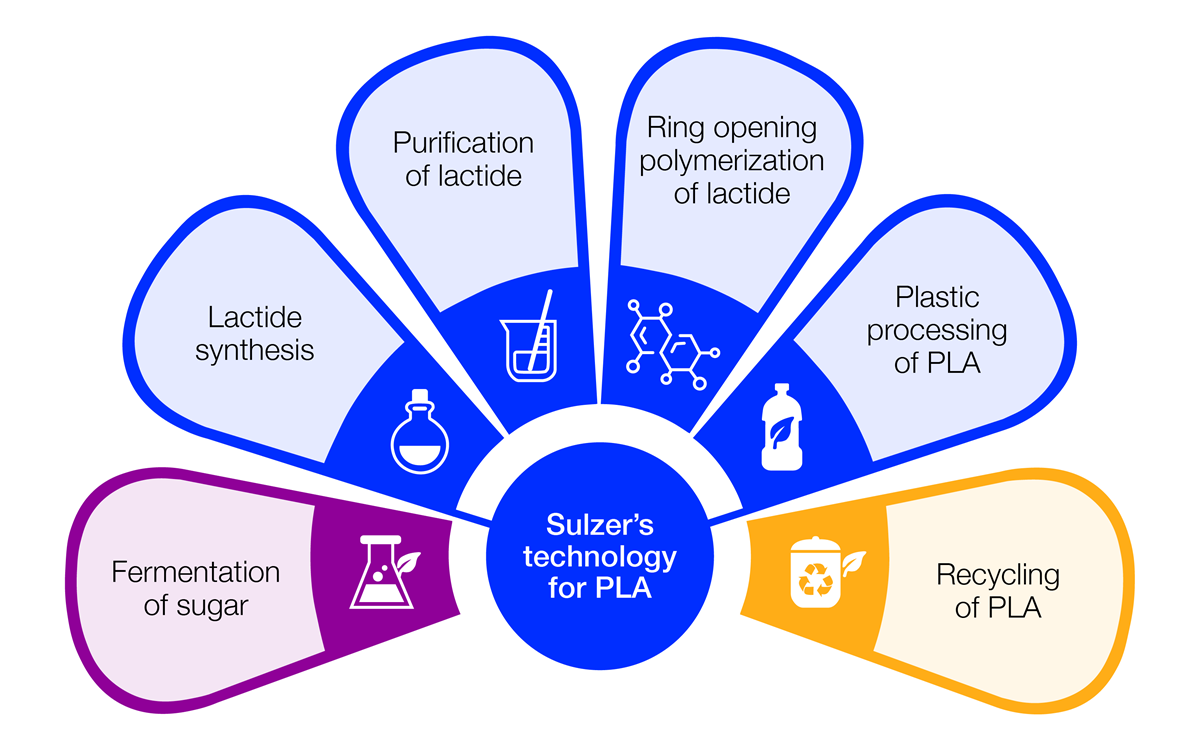
Polylactic acid (PLA) is a bio-based, compostable and fully recyclable biopolymer produced from renewable feedstocks such as sugar cane, corn, sugar beet, or second-generation sources including food waste and wood chips. PLA production technology converts lactic acid through a series of controlled process steps — oligomerization, cyclization, lactide purification, and ring-opening polymerization — into high-quality PLA resin suitable for packaging, textiles, automotive components and 3D printing applications among many others.
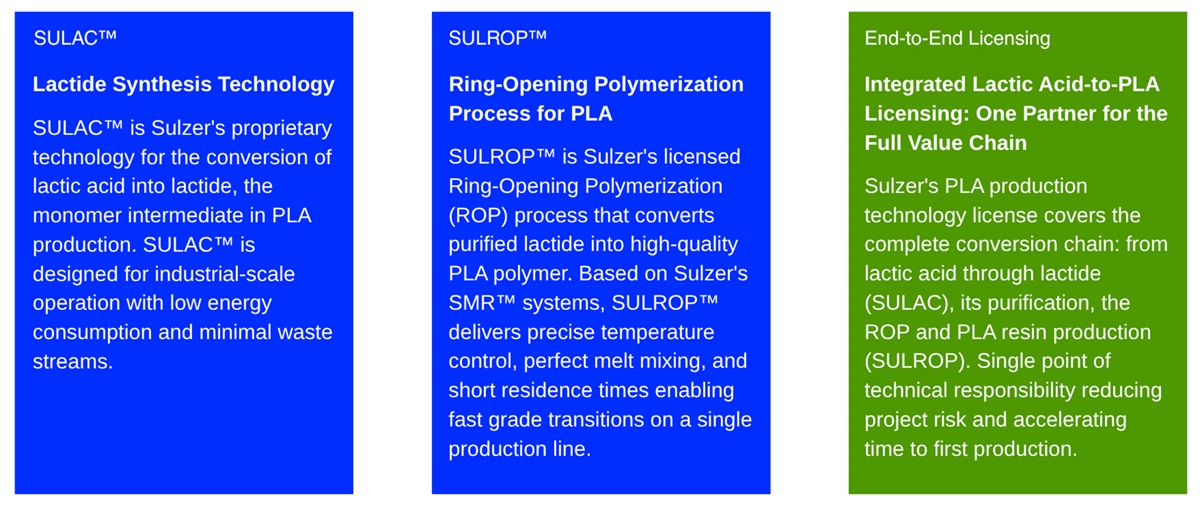
With over 30 years of experience in PLA polymerization process development, Sulzer licenses proven, scalable PLA production technology to agri-businesses and chemical companies. Our integrated technology offering covers every critical step in the lactic acid-to-PLA value chain.
Sulzer's licensed PLA production technology portfolio
The PLA polymerization process: From lactic acid to finished resin
Step 1: feedstock & lactic acid production
Renewable agricultural feedstocks — sugar cane, corn, sugar beet, or second-generation sources, such as food waste — are fermented to produce lactic acid (LA). Sulzer's technology starting from LA is feedstock-agnostic, allowing PLA plant project to select the most cost-effective and locally available raw material.
Step 2: lactide synthesis (SULAC) & purification
Lactic acid undergoes oligomerization and cyclization to form crude lactide using Sulzer's SULAC, which is then purified to polymerization grade with Sulzer's distillation and crystallization technology. High-purity lactide is essential for achieving the molecular weight targets and optical purity required by end-use application specifications.
Step 3: ring-opening polymerization (SULROP)
Purified lactide undergoes continuous ring-opening polymerization in Sulzer's SMR loop and plug-flow reactor systems. Precise temperature control and efficient melt mixing enable the production of a wide portfolio of PLA grades — from food packaging grades to durable engineering-grade PLA — on a single production line with minimal changeover downtime.
Step 4: devolatilization, pelletizing & quality control
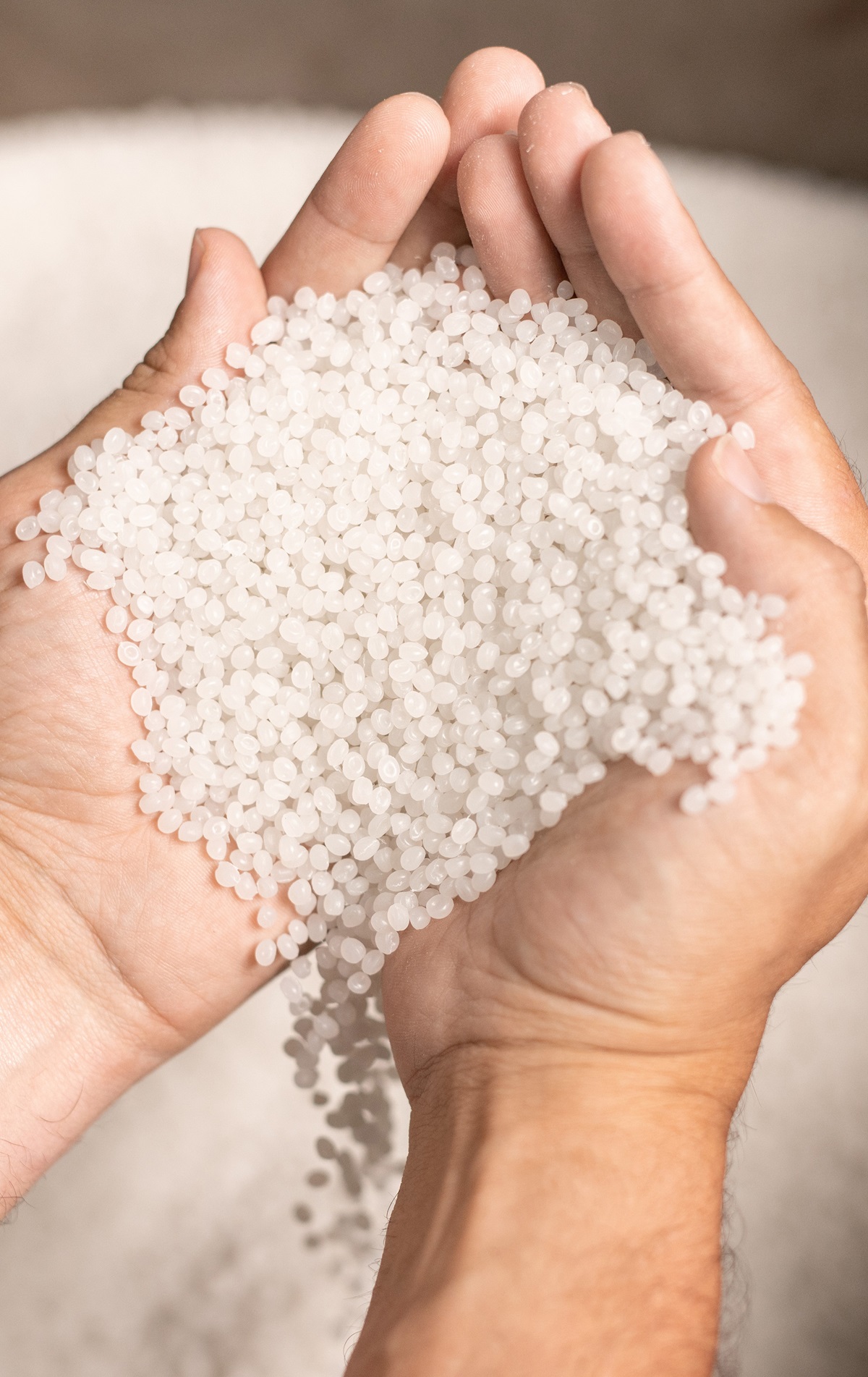
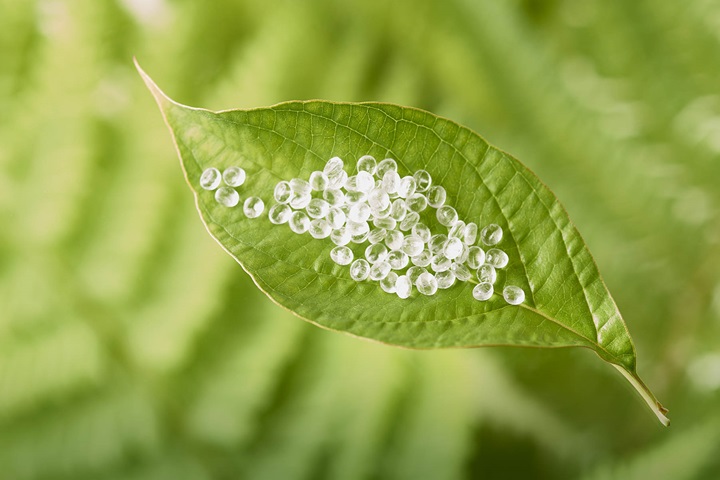
After-polymerization, residual lactide and volatiles are removed in a devolatilization stage before the PLA melt is pelletized and partially crystallized for storage and shipment. Sulzer's downstream equipment ensures product quality consistency across all PLA grades, enabling customers to serve demanding sectors including food contact and fiber applications.
Advantages of Sulzer's PLA production technology
Grade flexibility on a single line
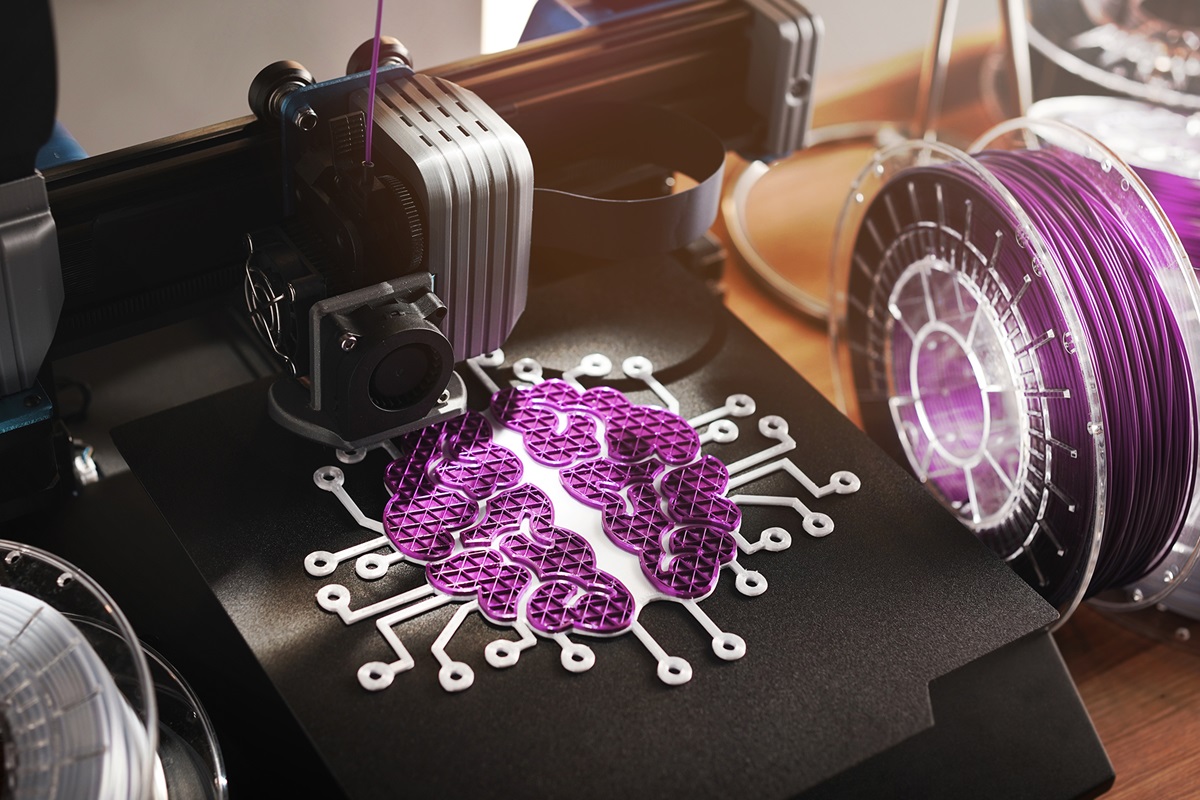
Fast transitions between PLA molecular weights and stereoisomer ratios without separate process trains — serving packaging, fiber and 3D printing grades from one plant.
Low maintenance, high uptime
Sulzer's PLA production technology relies predominantly on static equipment — no moving parts in key process units — delivering high mechanical reliability and reduced maintenance costs over the plant lifetime.
Scalable capacity design
Plants licensed from 1,000 to 80,000+ tonnes per annum and individual line.
Feedstock agnosticism for carbon footprint optimization
Sulzer's PLA production process is compatible with lactic acid coming from first and second-generation feedstocks — including food waste — allowing operators to minimize carbon footprint and supply chain risk based on regional raw material availability.
Full project lifecycle support
From process design and equipment supply through to installation, commissioning, start-up supervision and operator training — Sulzer provides a single point of technical responsibility across the full project lifecycle.
Frequently asked questions
Documents
Outstanding full range of services through the whole project cycle
Advancing PLA production for a sustainable tomorrow
Biopolymer production technologies - Leading the way for renewable and biodegradable materials
Growing the material of the future
The infinite possibilities of PLA
From sugar to bioplastics: How BCML built India's first industrial PLA plant
Grow your business with polylactic acid (PLA): The executive strategy guide
Ready to license proven PLA production technology?
Talk to our specialists and get a tailored solution.