Suspension crystallization
High separation efficiency of chemicals in one step
What is suspension crystallization?
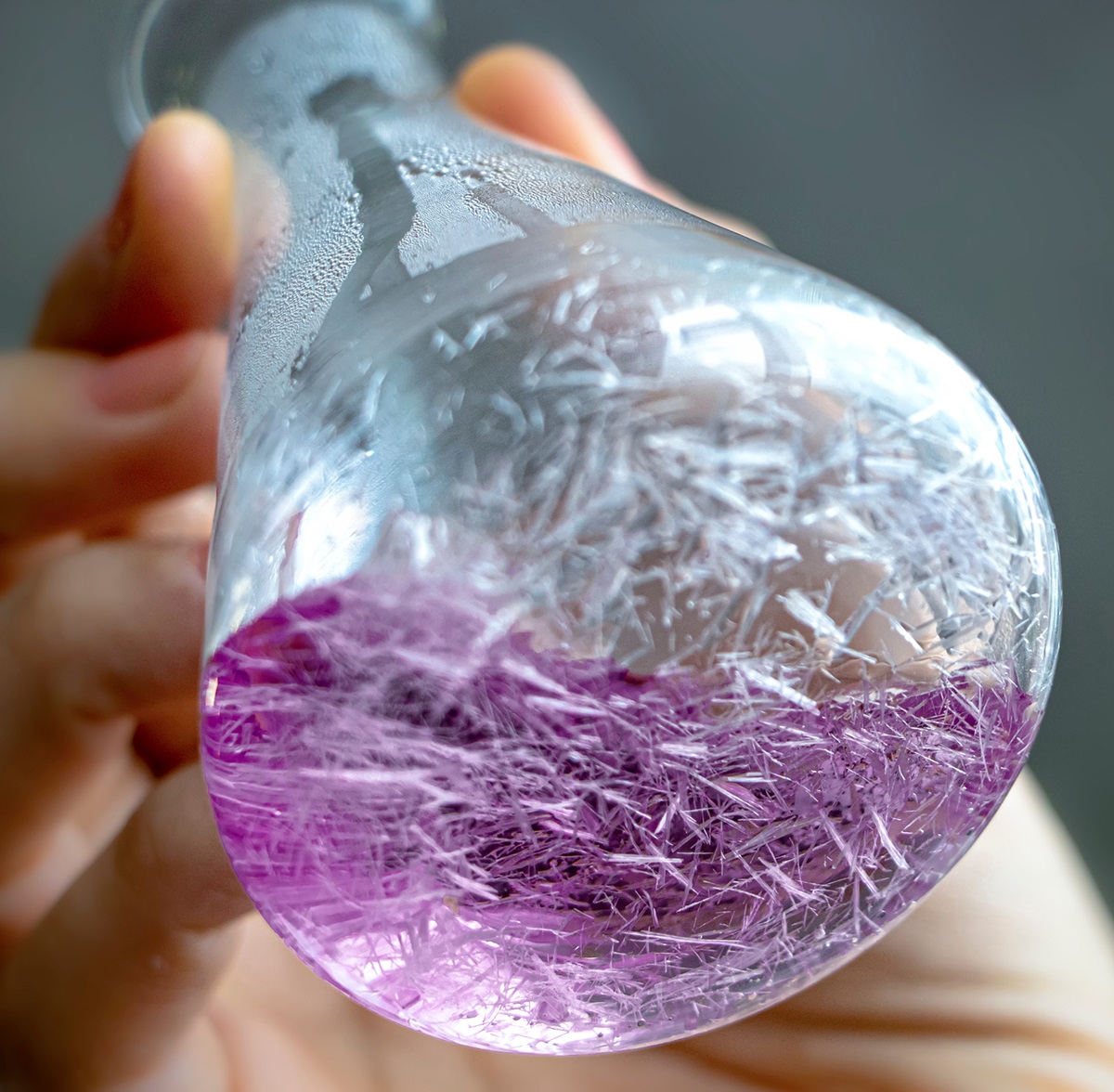
The purified crystals are then separated from the mother liquor in a wash column or centrifuge, delivering product purities that are difficult to achieve through conventional distillation or extraction. This industrial crystallization process is particularly well-suited for temperature-sensitive compounds, aromatic isomers, halogenated chemicals, high-value monomers and waste water streams.
Key Innovation / USP
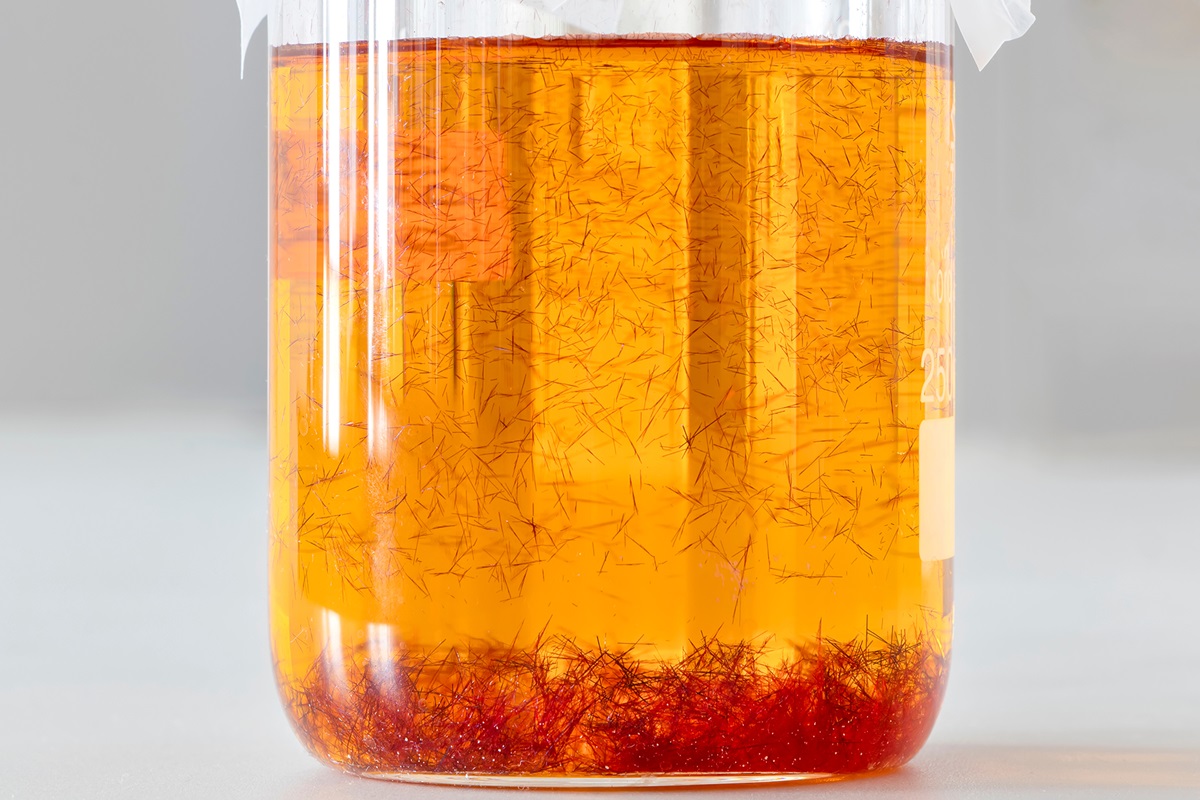
Sulzer's suspension crystallization system achieves high separation efficiency in one single processing step eliminating the need for multiple separation stages. The integration of a proprietary scraped surface crystallizer with a wash column or centrifuge delivers consistently superior crystal quality and mother liquor separation, even for chemically complex feeds.
How suspension crystallization works
Step 1: Crystallization: Crystal formation and growth
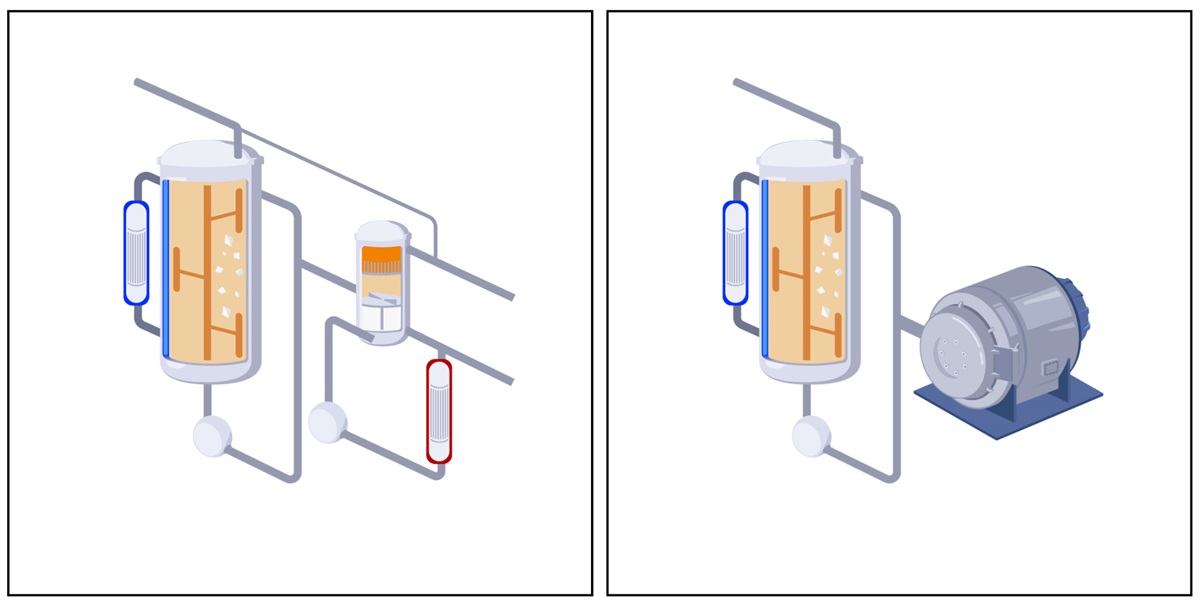
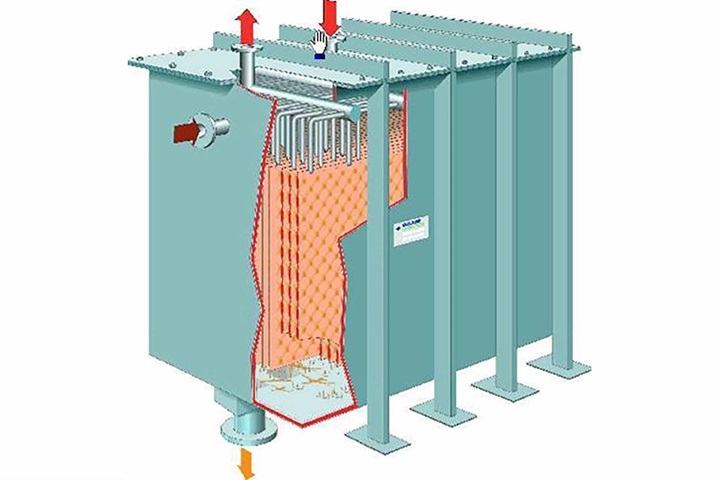
In the first step the target component must be separated from the feed mixture. By cooling down the liquid in the crystallizer slightly below the equilibrium temperature of the mixture a partial phase change is reached. The seed crystals are kept in a suspension where they further grow in a controlled manner during a defined residence time.
Step 2: Separation
The separation of the crystals from the mother liquor takes place in a wash column; the selection is based upon operating parameters, such as product feed quality and target purity, capacity, yield, etc. After leaving the wash column, the crystallized product melts directly into pure product.
Technical specifications & process parameters
| Technology type
|
Melt crystallization (suspension) |
| Crystallizer type
|
Scraped surface crystallizer |
| Separation unit
|
Wash column or centrifuge |
| Typical purity achieved
|
Application-dependent |
| Process configuration
|
Continuous or batch |
| Layout
|
Compact; skid-mounted unit available depending on capacity |
| Energy consumption
|
Low relative to distillation for high-purity targets |
| Scalability
|
Pilot to industrial scale |
Advantages of Sulzer suspension crystallization
Achieves product purities in a single crystallization and separation stage, eliminating multi-step purification sequences and reducing overall process complexity. Particularly suitable for medium concentration feed.
Low energy consumption
Operates at or near the melting point of the target compound, requiring significantly less energy than distillation for high-purity targets, particularly for close-boiling or heat-sensitive mixtures.
Compact layout and low installation costs
The integrated crystallizer–wash column design minimizes plot space requirements and reduces capital expenditure compared to multi-stage separation trains, especially attractive for grassroots or retrofit installations.
Broad chemical applicability
Suitable for a wide range of organic and inorganic compounds, including aromatic isomers, halogenated chemicals and monomers, as well as fractional crystallization or freeze concentration applications such as wastewater streams.
Related technologies
Frequently asked questions
Need a custom suspension crystallization solution?
Talk to our specialists and get a tailored solution